At Gifford Bioscience, we have extensive experience supporting development of novel therapeutics for obesity, diabetes, osteoporosis and other metabolic diseases.
As a preclinical pharmacology CRO, we perform recombinant receptor system assays and native tissue studies within one laboratory. We offer radioligand binding and functional GPCR assays in these systems, alongside surface plasmon resonance (SPR) measurement of binding kinetics.
The transition between assay systems can matter. Receptor expression, tissue context and assay format can influence measured receptor activity. Our work brings recombinant and endogenous pharmacology together, giving programmes the experimental data needed to interpret those differences and plan the next study.
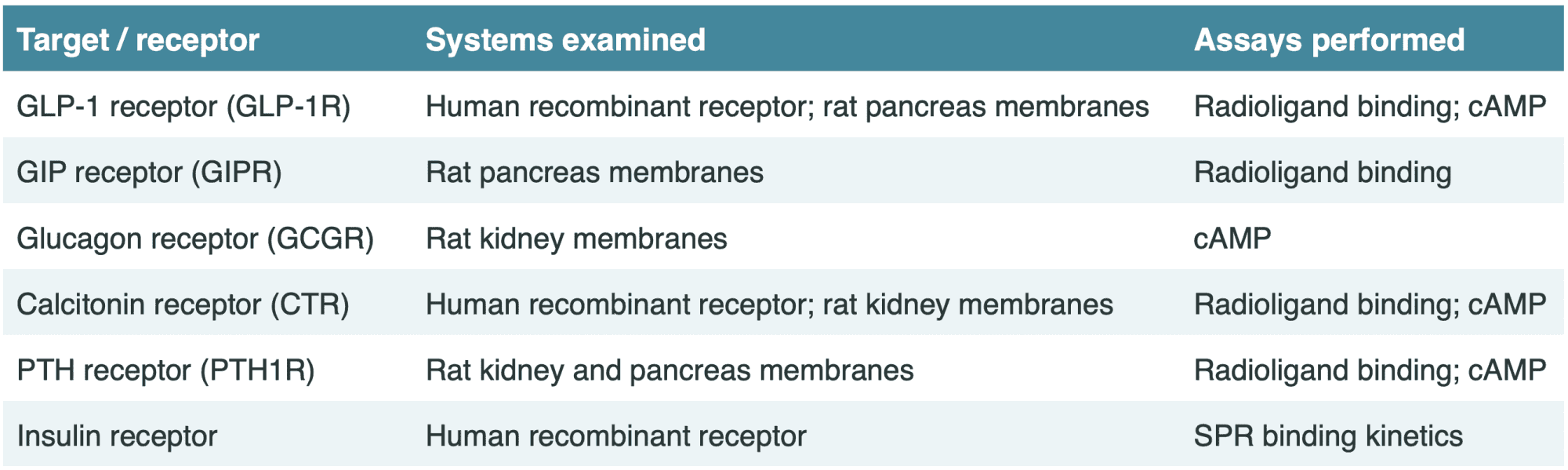
Metabolic targets and assay systems
We have established binding and functional assays for key metabolic receptor targets in both recombinant receptor systems and endogenous tissue preparations. These are highlighted in the target list and case studies below.
Case Study
Obesity pharmacology: GLP-1, GIP and glucagon receptors
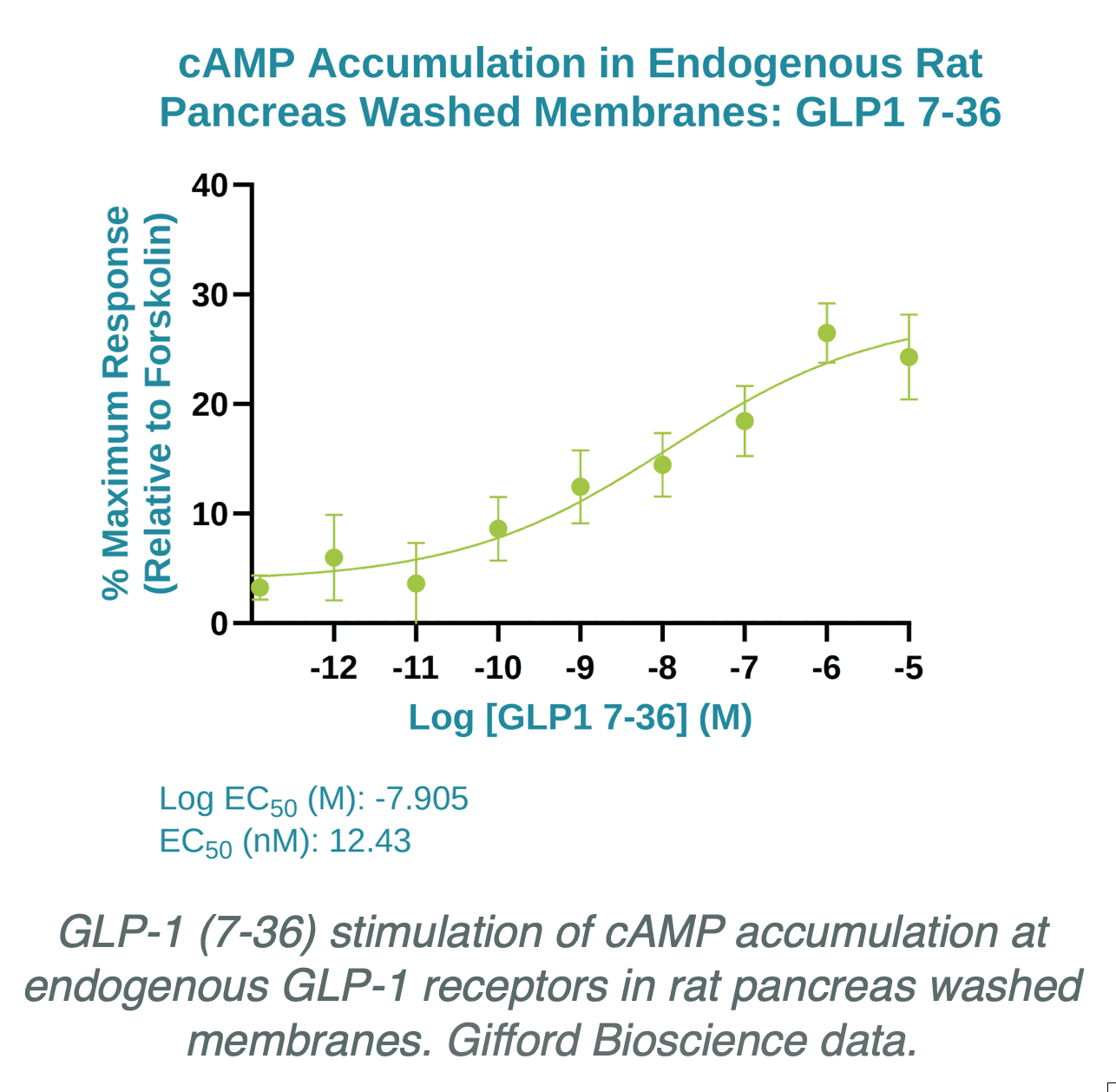
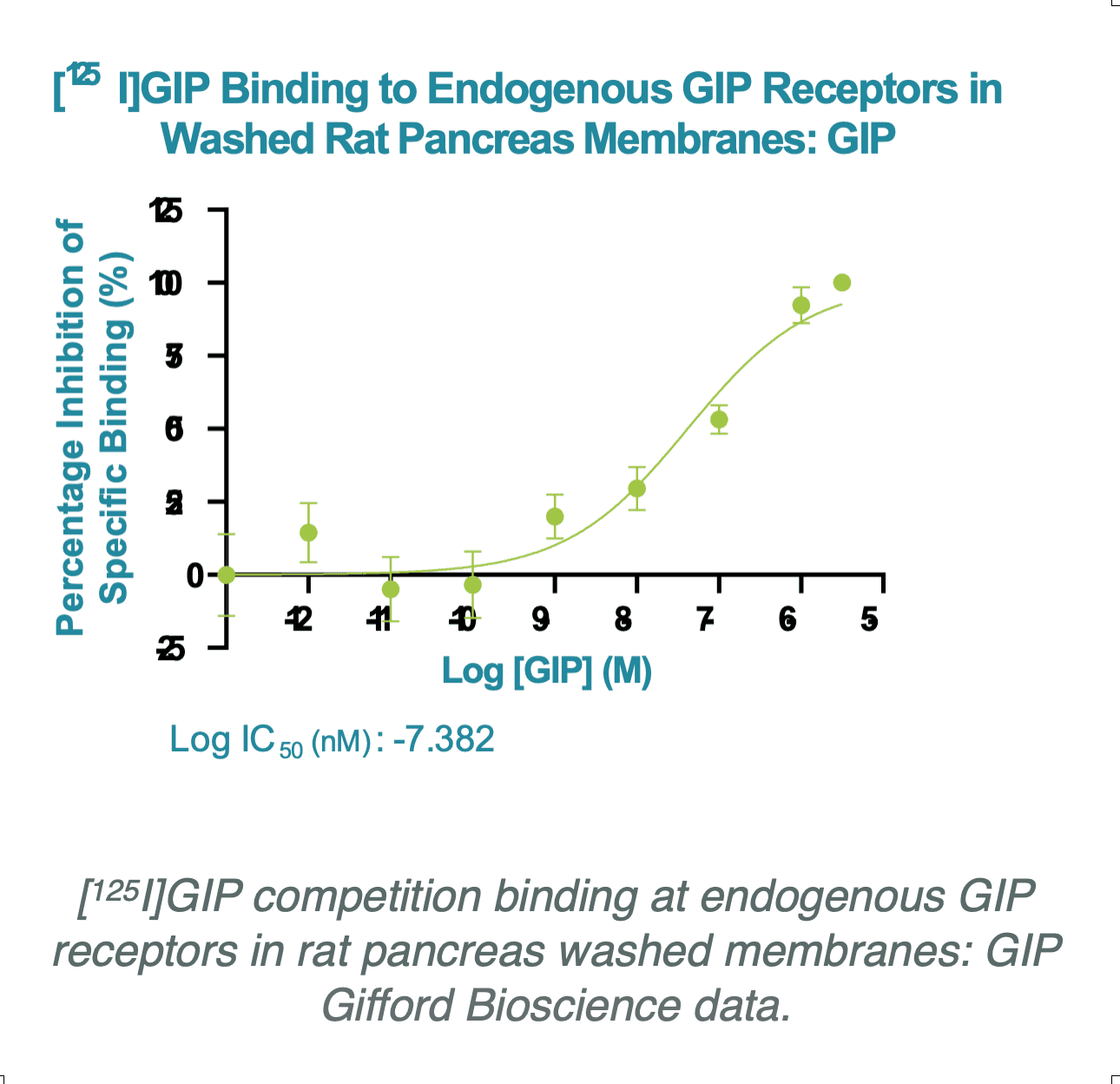
Obesity program therapeutic development is increasingly targeted to more than one receptor. Tirzepatide acts at GIPR and GLP-1R, while retatrutide also targets the glucagon receptor. Understanding specificity and activity at each receptor is key as a programme moves beyond initial screening and towards subsequent preclinical studies.
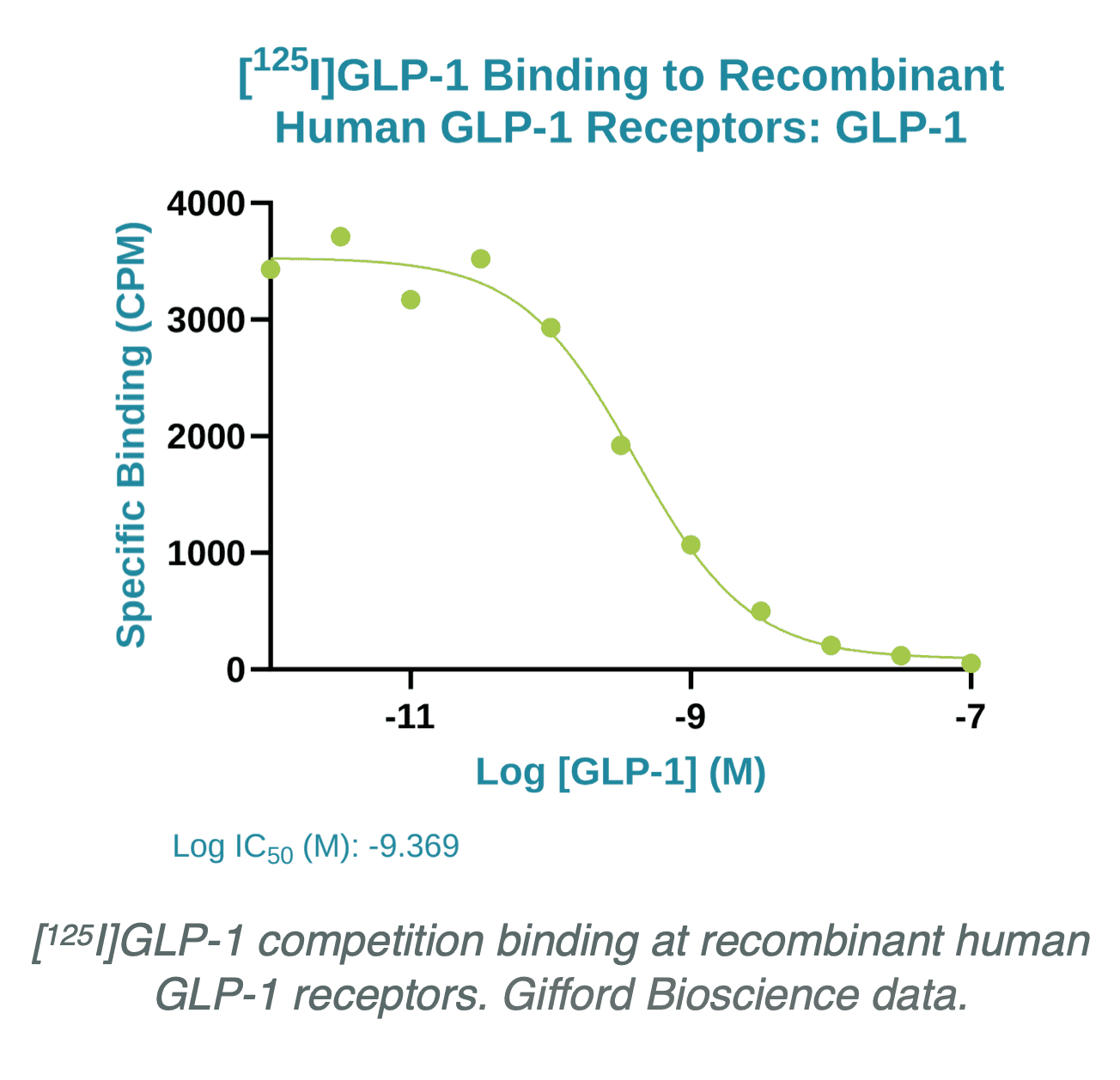
We have established radioligand binding and cAMP assays across these targets. We demonstrate GLP-1 binding at the recombinant human GLP-1 receptor and GLP-1-stimulated cAMP responses in rat pancreas membranes.

Case Study
Calcitonin receptor pharmacology in obesity programmes
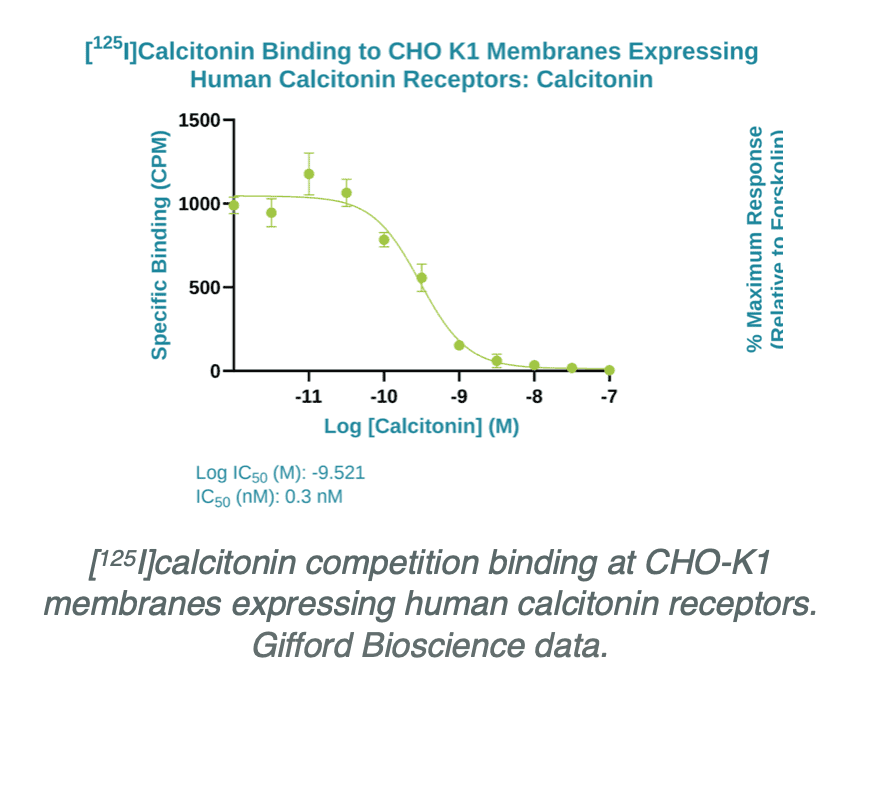
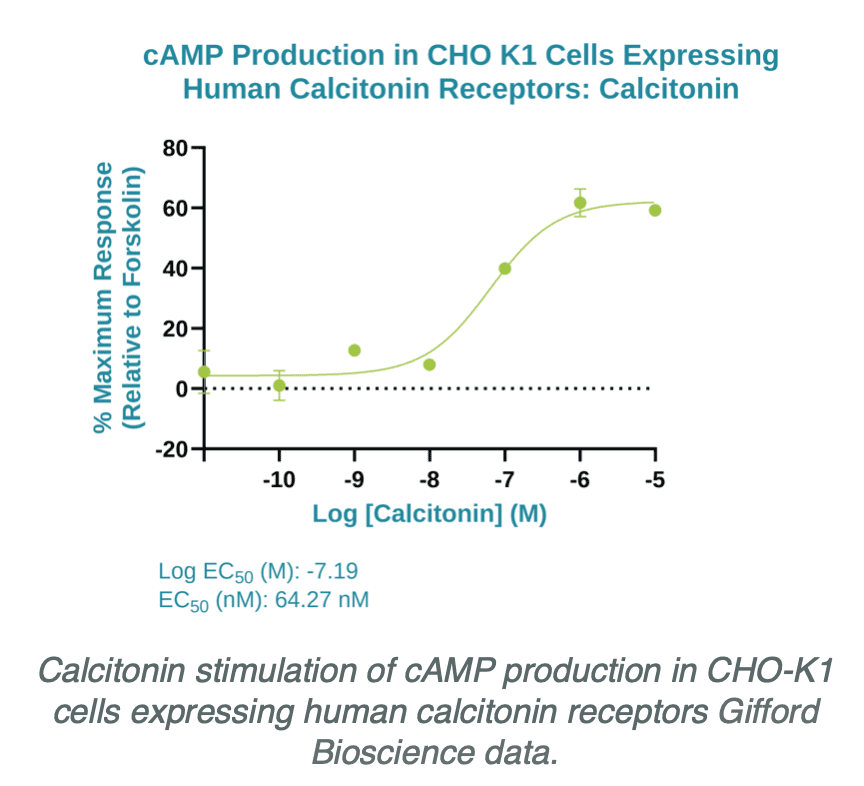
Amylin-related therapies have brought renewed attention to the calcitonin receptor family in obesity research. Amylin receptor subtypes form when the calcitonin receptor associates with receptor activity-modifying proteins (RAMPs), producing receptor complexes with different pharmacology. The receptor configuration used in an assay is therefore relevant when characterising these compounds.
Our data here focus on the calcitonin receptor itself and determines binding and functional activity of the same ligand (human calcitonin) as the biological system changes. We measured [125I]calcitonin competition binding and calcitonin-stimulated cAMP responses in recombinant human receptor systems, together with cAMP signaling in washed rat kidney membranes.

Case Study
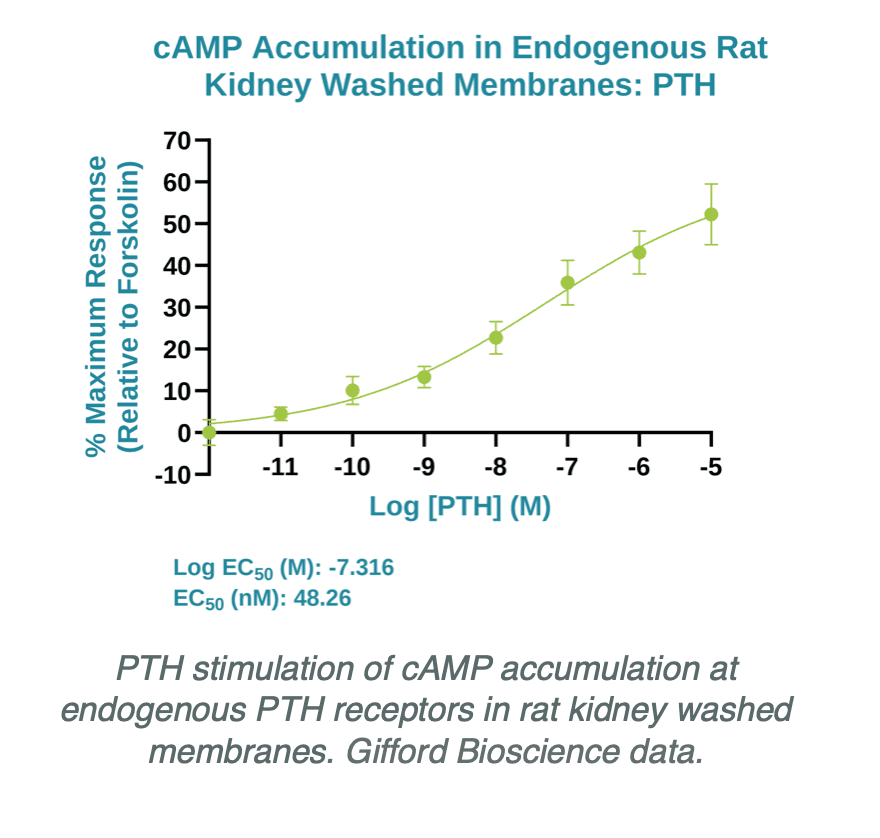
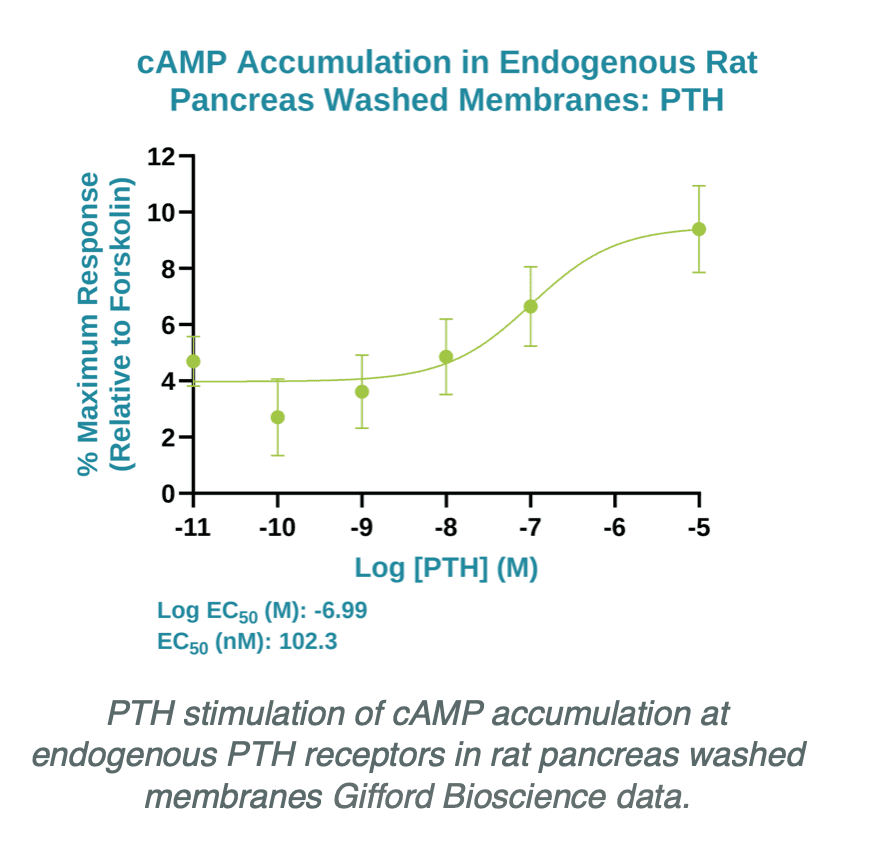
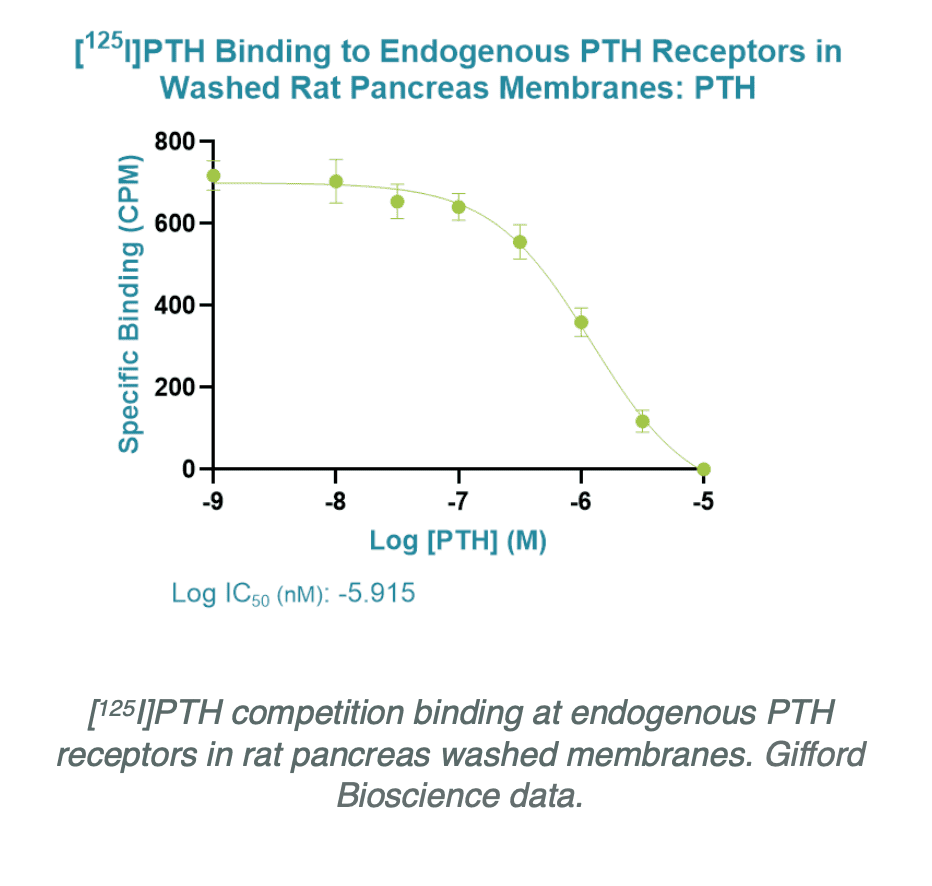
PTH1R pharmacology in native tissue
PTH1R signaling in kidney is central to calcium and phosphate handling. For programmes developing PTH1R agonists, a useful question is whether receptor function can be measured in renal tissue where the receptor is endogenously expressed, as well as in a controlled recombinant assay.
We measured concentration-dependent PTH(1-34)-stimulated cAMP accumulation in washed rat kidney and pancreas membranes, alongside [125I]PTH competition binding in rat pancreas. The studies establish native-tissue binding and functional readouts that can be incorporated into a wider PTH1R programme alongside recombinant pharmacology.
Case Study
Insulin receptor binding kinetics by SPR
For insulin receptor programmes, an equilibrium affinity value does not show how quickly a ligand associates with or dissociates from its target. Binding kinetics can therefore help distinguish interactions that appear similar when examined only at equilibrium.
Using SPR, we immobilised recombinant human insulin receptor on a CM5 sensor chip and measured concentration-dependent (1 to 100 nM) insulin binding responses in real time. The sensorgrams show the insulin binding association and dissociation phases. Fitting the binding responses to a heterogeneous ligand model gave two kinetic affinity (KD) values of 2.3 nM and 98.7 nM. This provides a more detailed description of the interaction than a single endpoint affinity value.

Receptor pharmacology services for metabolic diseases
Radioligand Binding Assays determine receptor-ligand binding affinity (Kd, IC50, Ki), density of binding sites (Bmax) and binding kinetics (kon/koff) in cell lines or at native receptors in human or animal tissue.
Receptor Autoradiography and Receptor Occupancy determine target receptor distribution or target engagement dose-dependent occupancy of test drugs at receptors in the animal. These assays visualise and quantify receptor-ligand binding interactions in tissue from untreated and drug-treated animals.
SPR (Biacore) assesses binding specificity, affinity (Kd), and kinetics (kon/koff) of therapeutics at the target of interest. SPR assays can be conducted in additional configurations and determine competitive inhibition of binding interactions (IC50, Ki).
Functional Cell Signaling Assays are radiometric and fluorescence-based assays that profile the physiological effects of compounds by measuring GPCR activation (GTPγS) and downstream signalling (cAMP, Ca2+, phospho-ERK) following agonist, antagonist or inverse agonist treatment (EC50, Emax, IC50).
Radioimmunoassays and ELISAs monitor receptor expression, detect disease markers using radiolabeled antibodies and determine the concentration of targets after drug treatment.
Uptake and Release Assays measure the transport of radiolabeled compounds or neurotransmitters into cells or synaptosomes, their release, and inhibition by test compounds.
What our partners say about Gifford Bioscience
From initial enquiry to project debrief, it is our collaborative style that sets us apart. Our 100% PhD-level scientists use their expertise to help solve complex scientific challenges. Visit our testimonials page to see how our CRO services have supported partners developing novel therapeutics.
Common questions about metabolic pharmacology studies
Can Gifford Bioscience run recombinant and native tissue receptor assays in one program?
Yes. We can run recombinant and endogenous receptor assays within the same programme. The GLP-1 and calcitonin studies above show our experience working across these systems.
Which metabolic targets has Gifford Bioscience worked with?
The examples shown here cover GLP-1R, GIPR, GCGR, calcitonin receptor, PTH1R and insulin receptor. The table above identifies the biological systems and assay types used.
Can Gifford Bioscience measure functional cAMP signaling in native tissue?
Yes. We have measured cAMP responses in washed rat kidney and pancreas membranes, including studies of GLP-1, glucagon, calcitonin and PTH receptor activity.
Does Gifford Bioscience offer insulin receptor binding kinetics by SPR?
Yes. The insulin receptor sensorgrams above show real-time binding by SPR. We also perform radioligand binding and functional receptor assays for programmes requiring orthogonal assays and more than one readout.
Looking for a CRO to support metabolic receptor pharmacology? We can discuss studies combining recombinant and native tissue systems, radioligand binding, cAMP signalling and SPR, based on the target and development question.
To discuss a study, get in touch and we can arrange a Teams meeting.